Lead Acid VS Lithium-Ion Batteries: Which is Right for Your Business?
Choosing the right forklift battery can make a significant difference in your operation’s productivity, maintenance costs, and long-term efficiency. As material handling technology continues to advance, more businesses are comparing traditional lead-acid batteries with modern lithium-ion options.
Both battery types have benefits, but the right choice depends on your workload, operating environment, and budget. Understanding the differences can help you make a smarter investment in your fleet.
What Is the Difference Between Lead-Acid and Lithium-Ion Batteries?
Lead-acid batteries have been used in forklifts for decades. They are familiar, established power source that can be a cost-effective option for businesses with predictable operating schedules and access to battery maintenance facilities.
Lithium-ion batteries are a newer alternative that offers faster charging, less routine maintenance, and greater flexibility for many material handling operations. They are especially appealing to businesses looking to minimize downtime and maximize equipment availability.
Let’s break down the key differences
1.Charging Time and Productivity
Lead-acid batteries: Traditional lead-acid batteries typically require several hours to recharge and additional time to cool before they can be used again. Businesses operating multiple shifts may need spare batteries and a dedicated battery changing station to keep up with the business operation.
Lithium-ion batteries: Lithium-ion batteries can recharge faster and support opportunity charging, allowing operators to charge during breaks or other downtime. This can reduce the need for battery swaps and keep the forklifts available throughout the workday.
Advantage: For operations that need consistent equipment availability, lithium-ion technology can help reduce charging-related downtime and improve productivity.
2. Maintenance Requirements
Lead-acid batteries: Many traditional lead-acid batteries require regular watering, terminal cleaning and other routine maintenance. Businesses must also follow proper charging and ventilation procedures to maintain battery performance and workplace safety.
Lithium-ion batteries: These batteries generally require significantly less routine maintenance. They do not need regular water refills, helping reduce maintenance tasks and free up employees to continue on other priorities.
Advantage: Lithium-ion batteries can simplify battery upkeep and reduce the time employees spend on routine maintenance.
3. Battery Lifespan and Long-Term Value
Lead-acid batteries: Battery life depends on usage, charging practices, maintenance and operating conditions. With proper care, lead-acid batteries can provide dependable service, but they need replacement sooner than lithium-ion alternatives.
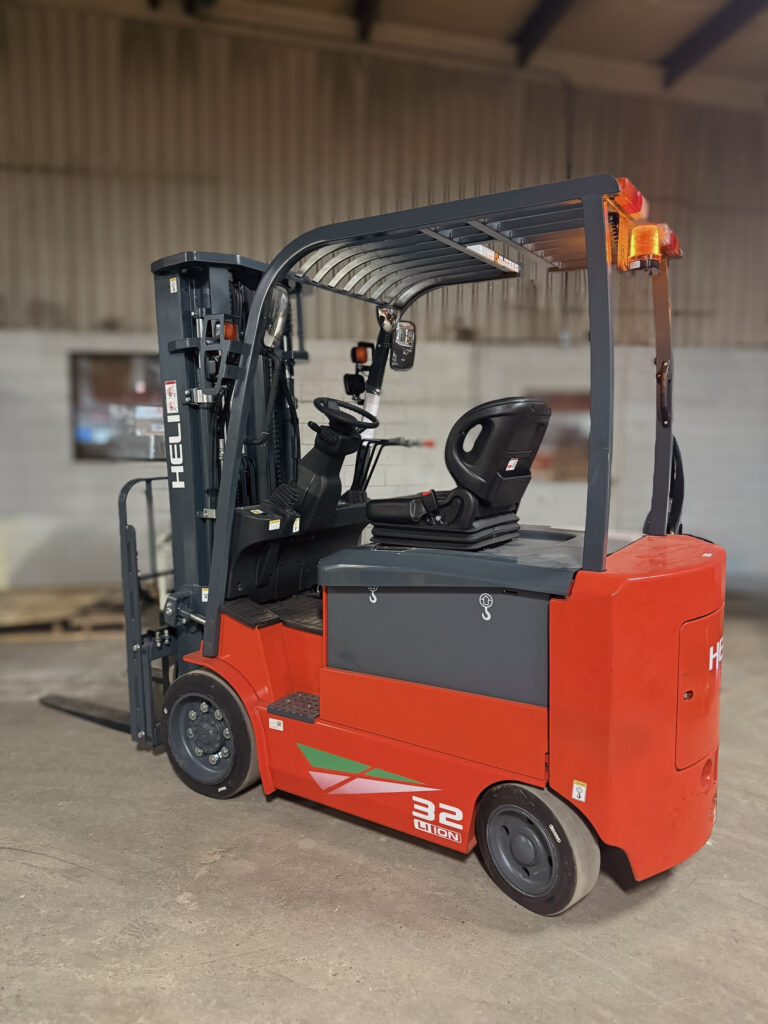
Lithium-ion batteries: the lithium-ion batteries can often deliver more charge cycles than comparable lead-acid batteries. Their lifespan varies, but many are designed for years of operation. Our lithium-ion batteries with HELI have a warranty for 10 years.
Advantage: Although lithium-ion batteries typically have a higher upfront cost, their longer potential service life and lower maintenance requirements provides better long-term value.
4. Energy Efficiency
Lead-acid batteries: Generally these lose more energy during charging and operation. Charging and cooling requirements can also add complexity to fleet management.
Lithium-ion batteries: More energy-efficient and can accept charging power more efficiently. Combined with opportunity charging, this can help businesses use their equipment and charging time more efficiently.
Advantage: Improved energy efficient can help reduce electricity consumption and support a more productive operation.
5. Upfront Cost vs. Total Cost of Ownership
Lead-acid batteries: One of the biggest advantages of lead-acid technology is its lower initial purchase price. For businesses with lighter workloads, single shift operations, or limited capital budgets, this can be a great choice.
Lithium-ion batteries: These cost more upfront. However businesses have seen lower overall cost of the investment when it comes to energy usage, maintenance costs, and downtime.
Advantage: Lithium-ion typically offers a lower total cost of ownership in operations that need frequent use, reduced maintenance, and less downtime.
Which Forklift Battery Is Right for Your Business?
There is no one-size fits all answer. The best battery depends on how your forklifts are used and what your operation needs most. Before making a decision, consider your daily operating hours, charging availability, energy costs and maintenance practices.
Speak today with someone from our team and figure out what will be best for your operation. Contact us HERE. Want to look at our latest lithium-ion or lead-acid models? Check out the new and used forklifts we currently have available!